Concrete contractor in Mead Valley - slabs that sit right on rocky ground
Bedrock Moreno Valley Concrete Company is a concrete contractor based in Moreno Valley that pours driveways, patios, walls and slabs across Mead Valley, and I come out to look at every job myself.
Pouring concrete on Mead Valley lots
Mead Valley doesn't have a city hall, so Riverside County sets the rules for what you build here. Pouring here isn't like pouring on the tract streets we work in Moreno Valley. Lots run bigger, plenty of driveways are still dirt or gravel and stretch a long way back from the road, and older ranch houses, manufactured homes, horse setups and newer builds sit side by side. The calls we get look a lot like the ones from neighboring Perris, usually for a first real driveway, a shop or barn slab, or a pad for the RV.
The ground shapes the work. Much of what we dig into here is decomposed granite and rock, sometimes with loose fill left over from grading, the same as on hillside lots in Calimesa. So we dig down to firm subgrade, the ground the slab really sits on, pack a base and plan where the water runs before a form goes in.
What we pour in Mead Valley
Long rural drives here often go from dirt straight to concrete, so we dig out the ruts and soft spots and pack a base before anything gets poured.
Bigger yards here leave room for a real patio, and we slope it away from the house so rain runs off instead of pooling by your walls.
Stamped concrete gives a patio or walk the look of stone or brick, and on dusty lots like these we steer you toward colors that don't show dirt.
On deep lots, a walk from the drive to the door keeps mud off your floors, and we give it a broom finish, a brushed texture that grips.
Plenty of Mead Valley homes have a detached garage or shop with a dirt or cracked floor. We pour a new slab that's flat and ready for trucks.
Color or exposed aggregate, where the small stones show at the surface, suits the ranch homes here and dresses up an entry without loose gravel to rake.
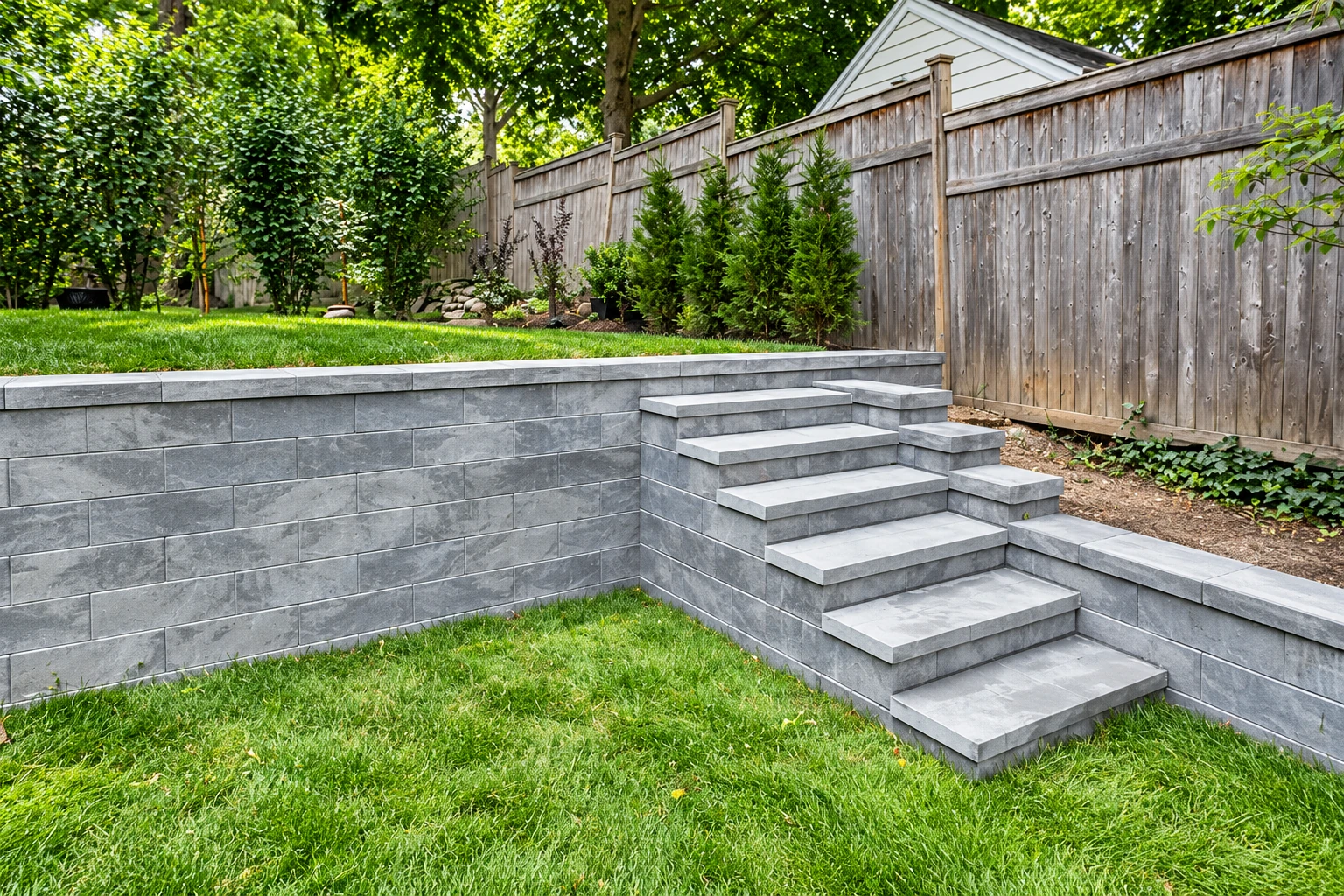
Hillside lots here often leave a bank that creeps downhill. We build the wall with drainage behind it, because trapped water is what pushes walls over.
For barns, workshops and other outbuildings on larger parcels, we pour floors that sit level for equipment, with the ground packed hard underneath first.
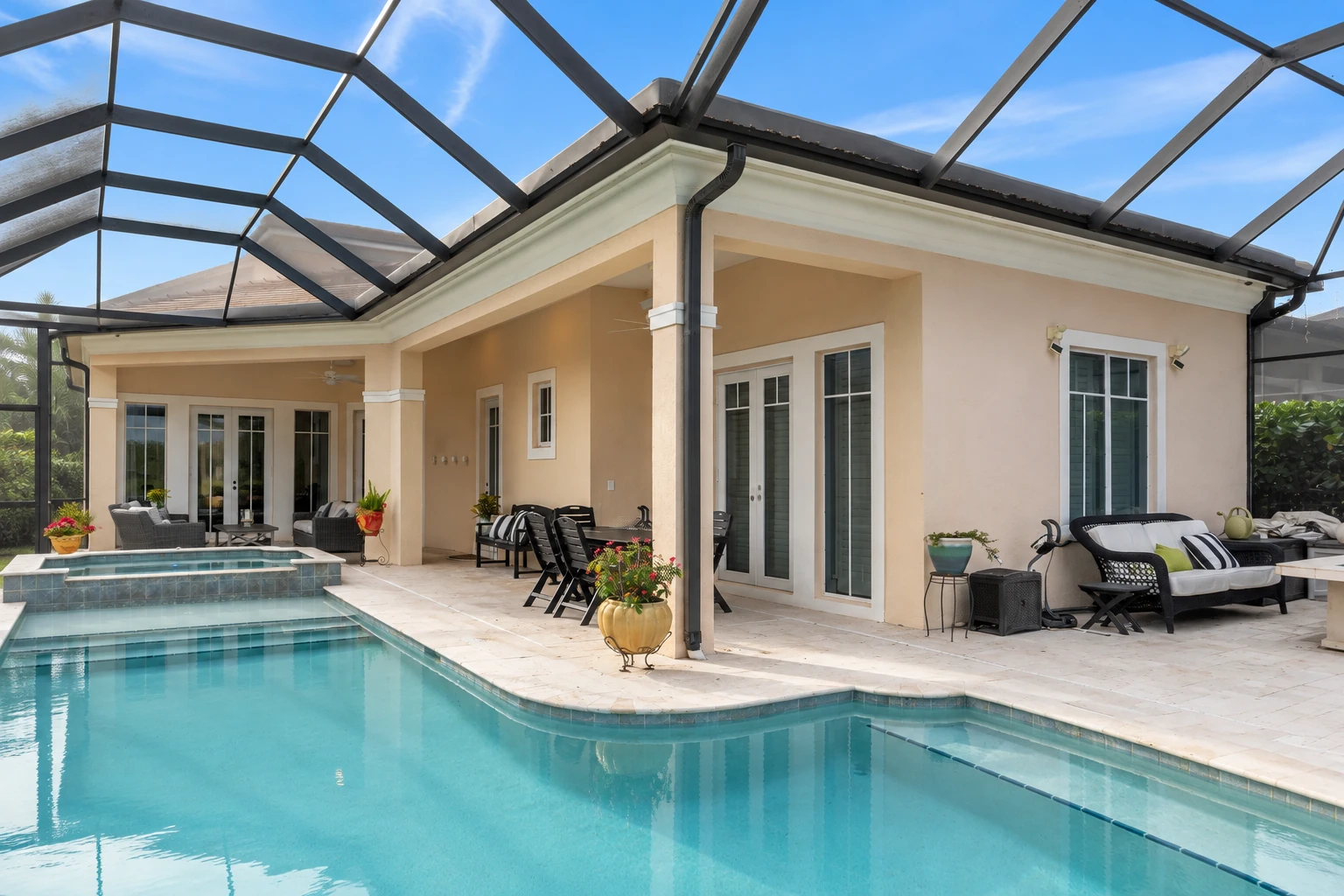
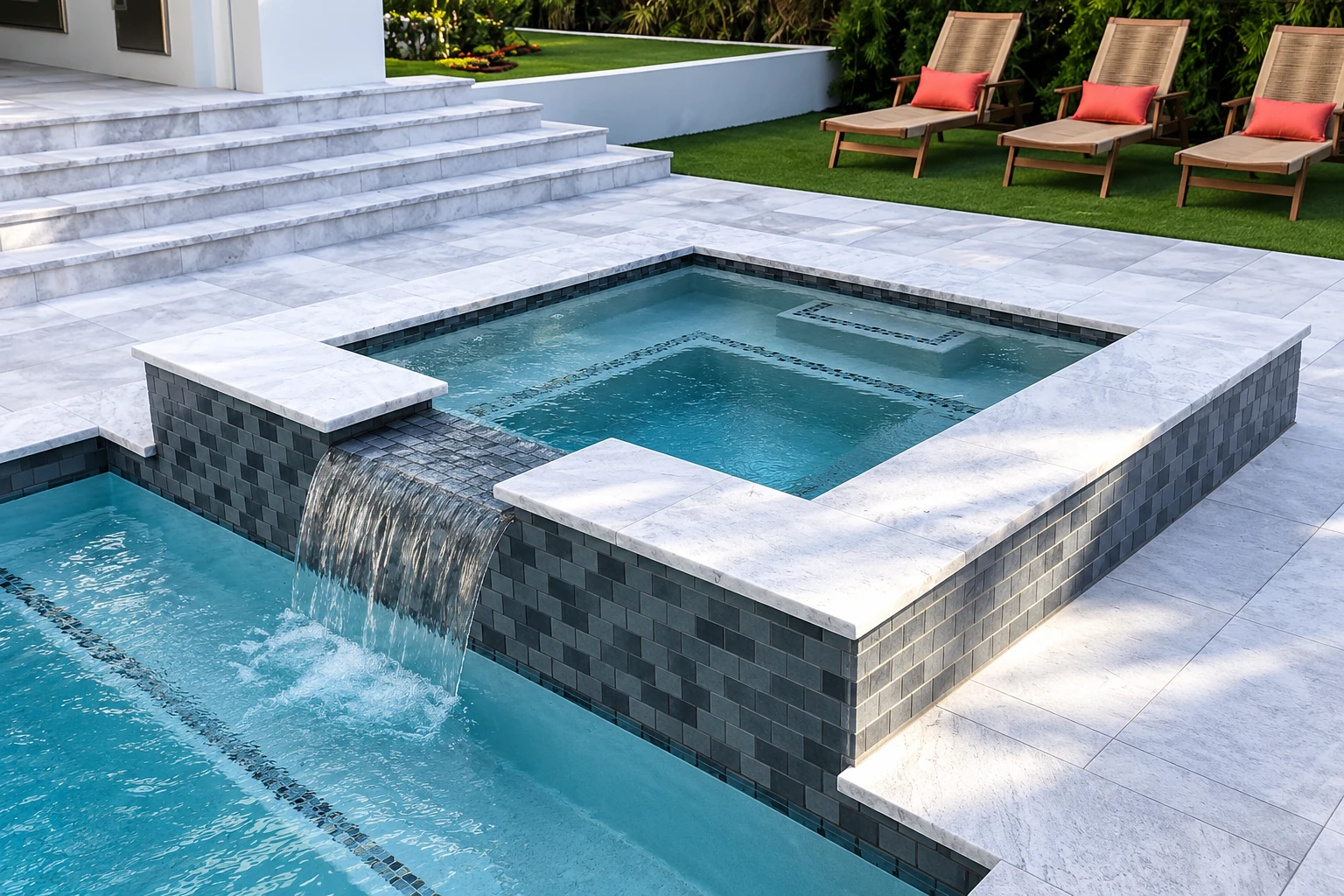
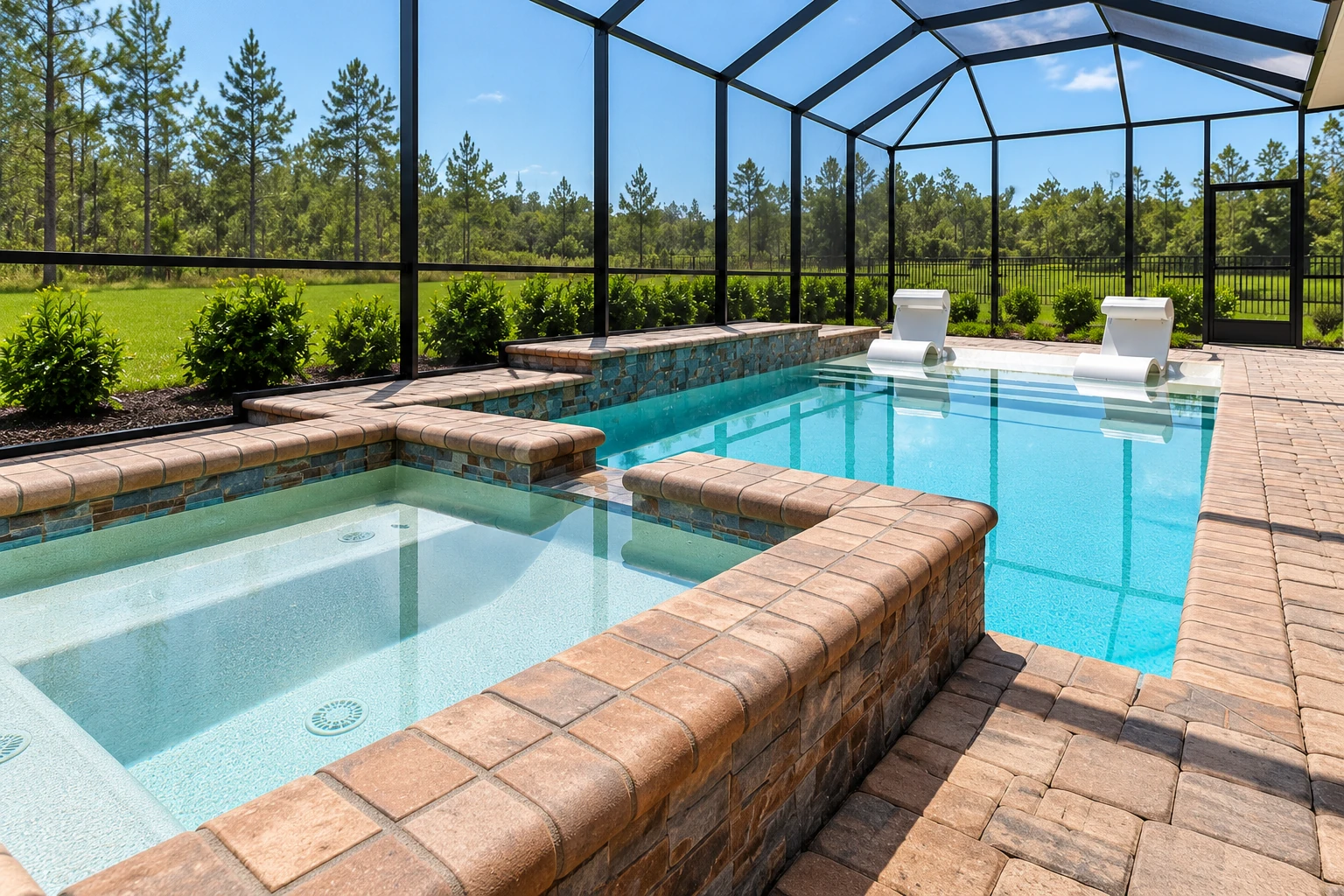
Out here a pool deck takes full sun, so we choose a lighter, textured finish that's easier on bare feet and slope it to drain away.
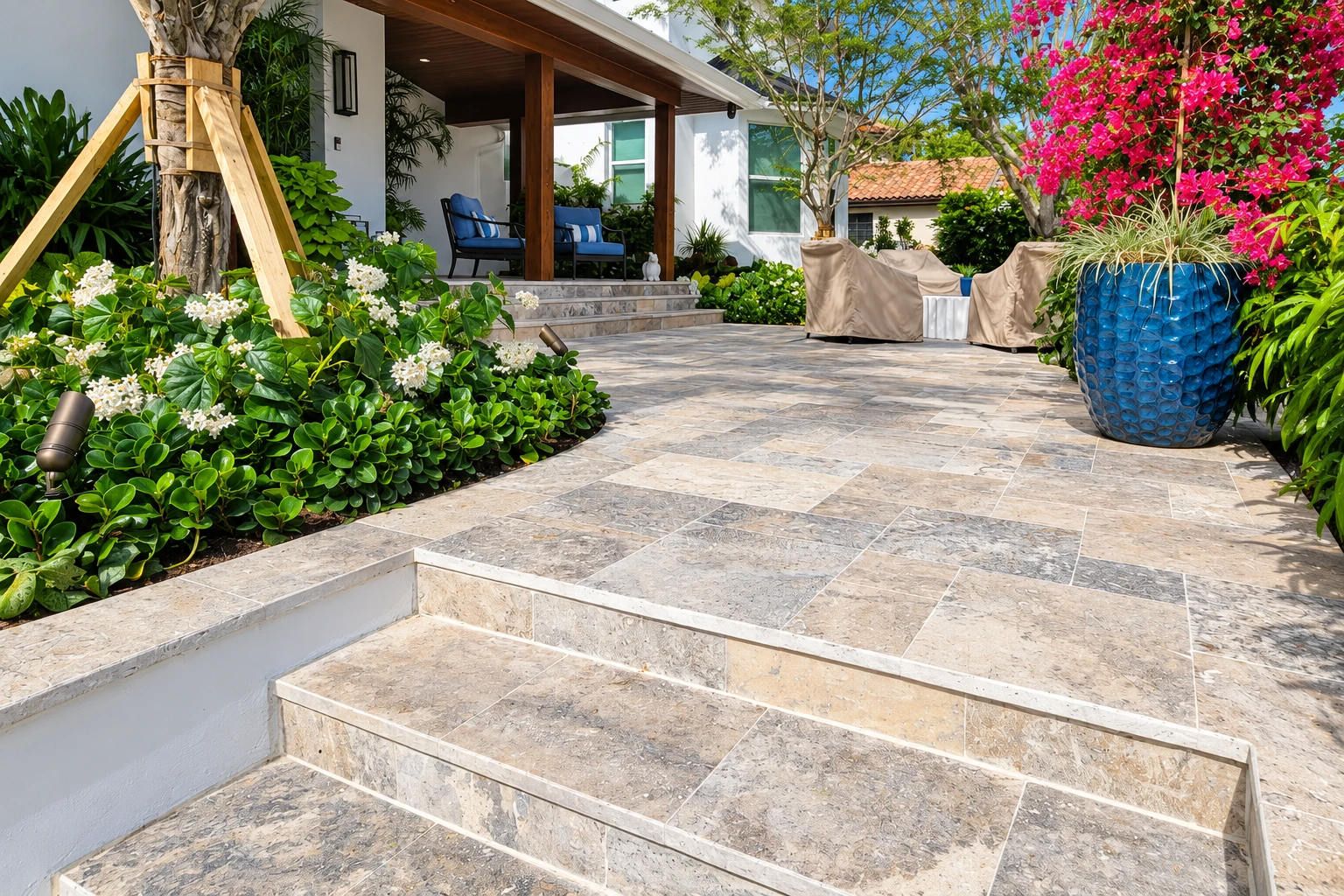
Houses and manufactured homes set up off the ground often need sturdy steps at the door, and we build every step the same height so nobody trips.
Adding a casita, garage or second unit on a bigger lot starts with the slab, and I look at the ground and the grade before we set a form.
New homes and additions on open parcels need a foundation sized for the soil it sits on, so we dig to firm ground instead of trusting fill.
Small businesses and churches here need parking areas that take daily traffic, so we pour them thick and lay rebar, steel bars that hold cracks tight.
Patio covers, carports and block walls all stand on footings, the buried concrete that spreads their weight, and on rocky ground we dig until we hit something solid.
When a slab drops because the loose fill under it settled, we raise it toward level and fill underneath so it's supported again.
We saw out cracked sections, cut openings for new drains or lines, and trim old slabs back cleanly when you're adding on to a house or shop.
What Mead Valley ground asks of a slab
We've run this business out of Moreno Valley since 2017. You'll deal with me from the first look to the last pour, and I'll tell you the hard parts before we pour, not after.
I look at every job
I come out to see your lot myself and I run every pour, while our crew handles forming and finishing.
A base dug out, not raked
I'd skimp on a fancy finish before the base, because a slab only holds up as well as the ground under it.
Water planned before forms
We check where rain runs on your lot and slope the slab away from the house, not toward it.
Pours timed for heat and wind
The county gets hot, dry Santa Ana winds every year, so we pour early and keep fresh concrete damp.
Cracks where we choose
We cut control joints, grooves that give the slab a planned place to crack, before it picks its own spot.
Mead Valley concrete questions
Who issues building permits for concrete work in Mead Valley?
The Riverside County Building & Safety Department does, because Mead Valley is unincorporated and has no city government of its own. The county's list names new buildings, additions, garages, patio covers, carports, and pools and spas, but it doesn't name driveways or patios, so call the department at (951) 955-1800 to ask about yours. When a job needs a permit, we handle the application, line up the inspections and walk you through the county's process.
Do I need a permit for a retaining wall or block wall in Mead Valley?
Retaining walls are on Riverside County's permit list, so we look into the permit before we build one. For a freestanding wall, the county code exempts fences up to 7 feet high but not block walls over 4 feet, and the county's flyer lists fences over 6 feet as permit work and says to check with planning. Since those two don't line up, we confirm the current limits with Building & Safety before we dig footings.
When does a concrete contractor need a California license?
The state licensing board requires one whenever the job needs a building permit, uses any extra workers, or comes to $1,000 or more in labor and materials across one or more contracts. In unincorporated areas like Mead Valley, the county also requires state-licensed contractors to get its stormwater registration certificate. We're licensed and fully insured, so ask me about it when I come out.
How much does a concrete driveway cost in Mead Valley?
It comes down to size, the ground and the finish. A long drive out to the road, rock or loose fill that has to come out, an old slab to break up and a slope that needs grading all add work, while a plain broom finish costs less than stamped or colored concrete. I'll walk your lot and give you your own figure at a free estimate.
What causes concrete driveways to crack and sink in Mead Valley?
Most of what we see here starts underneath, with a base that was raked level instead of dug out and packed, or fill that settled after a pad was graded. Concrete also shrinks as it dries, so nobody can honestly promise a slab that never cracks. A packed base and the joints we cut keep those cracks small and in straight lines.
How long before I can drive on a new concrete driveway in Mead Valley?
Usually about a week for cars, a day or two before you walk on it, and longer for heavy trucks or an RV. Concrete keeps gaining strength while it cures, the slow hardening after the pour, so we keep it damp and keep weight off until it's ready. The schedule before the pour turns on how much digging the base needs, whether a permit is involved and the weather, and I'll go over yours at the estimate.
Don't see your city? Call us
If your city has its own page, you'll find it here. If not, call (951) 518-9186, since we work across Riverside and San Bernardino counties, well beyond the cities listed.
Ask Bedrock for a Mead Valley estimate
Call (951) 518-9186 or use the form, and tell us what you're pouring so I can check the county permit side before I come out.